backgroundbegone.app

Runs in your browser, not on our servers

Remove image backgrounds in your browser.

Drop in a photograph and the subject comes away clean — hair, chrome, glass and all. The preview happens on your own machine, so nothing is uploaded and nothing is queued.

A red 1966 Ford Fairlane photographed on a town street, with buildings and parked cars behind it
The same Ford Fairlane with its background removed, sitting on a transparency checkerboard
BeforeBackground gone

Photograph by Erik Mclean onPexels. Cutout produced by this tool, in a browser tab.


Real output, not a mockup

“Would ya look
at that

Chrome, grille slats, wheel spokes — and the radio aerial. No masking, no lasso, no mouse-work. Drag the handle.

A red 1966 Ford Fairlane on a town street, before background removal
The same car cut out, with the transparency checkerboard showing through the aerial and the gap under the bumper
BeforeBackground gone
  • 1600×1067 full resolution
  • 4 keep strokes, 3 remove
  • 0 images uploaded

Photograph by Erik Mclean onPexels. Every photographer on this site is named on Credits.

Transparent background maker

Transparency you can actually see through

The export carries a real per-pixel alpha channel, so a PNG or WebP dropped into Figma, Canva, InDesign or a product listing sits on whatever is behind it. No white rectangle quietly pretending to be transparent.

  • Partial opacity is preserved — glass stays glass, not a grey blob.
  • Edges keep soft falloff instead of a jagged one-bit staircase.
  • PNG for maximum compatibility, WebP when you want the file to be small.
A close crop of the cut-out Fairlane's roofline: the thin radio aerial and the windscreen are surrounded by the transparency checkerboard
A 1:1 crop, nothing retouched. The checkerboard is what transparency looks like — you are seeing straight through the aerial's surroundings.
The Ford Fairlane composited onto a clean, even white backgroundOn white
Same source photograph, composited onto #FFFFFF at full resolution.

White background maker

Pure white, because the marketplace insists

Amazon, eBay and most retail feeds want a clean white field and will reject anything else. One click composites the cutout onto true #FFFFFF — even across the whole frame, no grey cast at the corners, no halo where the subject meets the white.

  • True #FFFFFF, not "nearly white", so feeds do not bounce it.
  • Optional margin and centring, applied identically to every image.
  • JPEG out, because a white background does not need an alpha channel.

Background changer

Then put something else behind it

The subject stays exactly where it is. Everything behind it is yours to choose — the buttons below swap it live.

The cut-out Ford Fairlane, shown against a background you can change
1

Solid white

The marketplace default. True #FFFFFF, applied the same way to a batch of two hundred listings as to one.

2

A stock scene

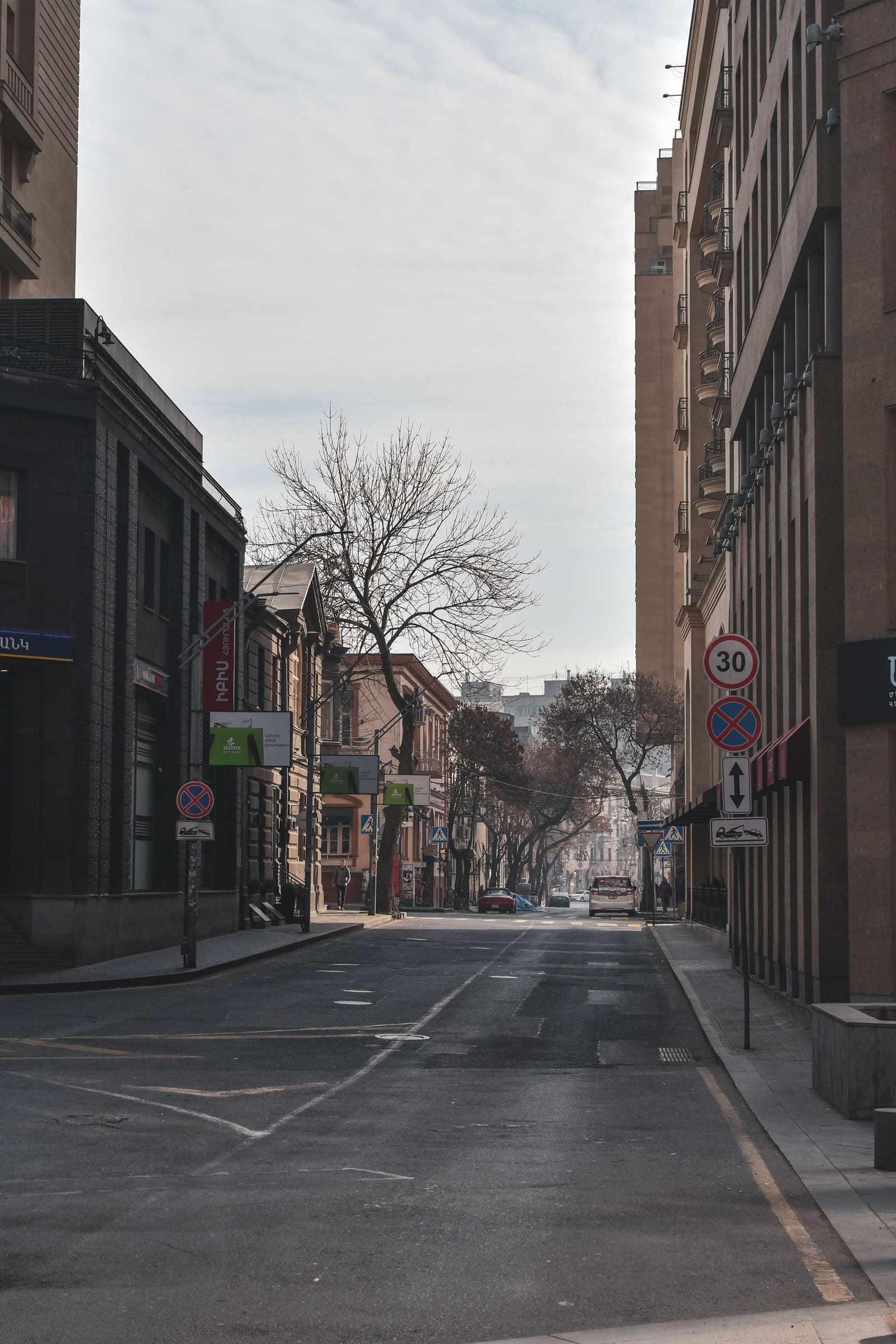
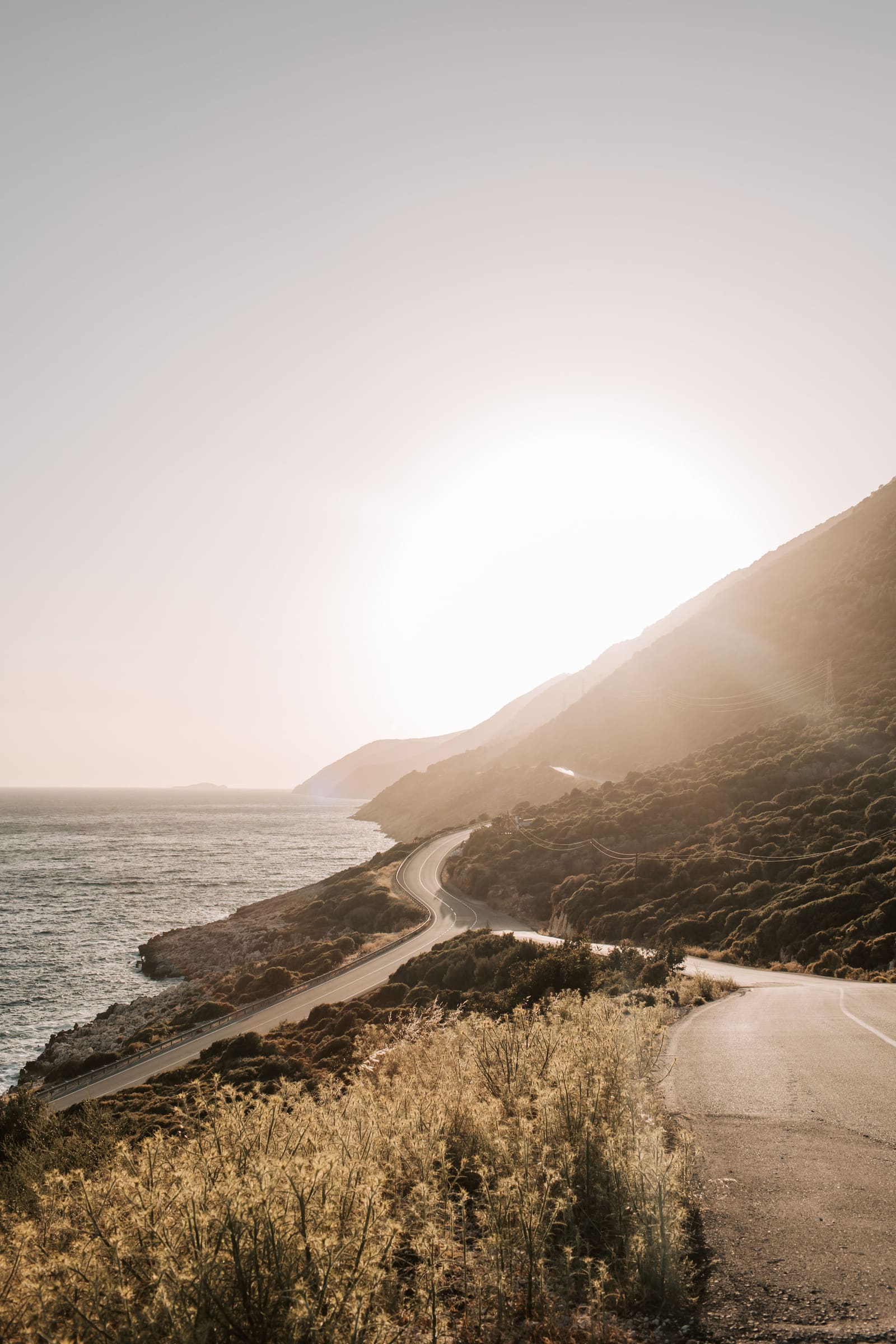
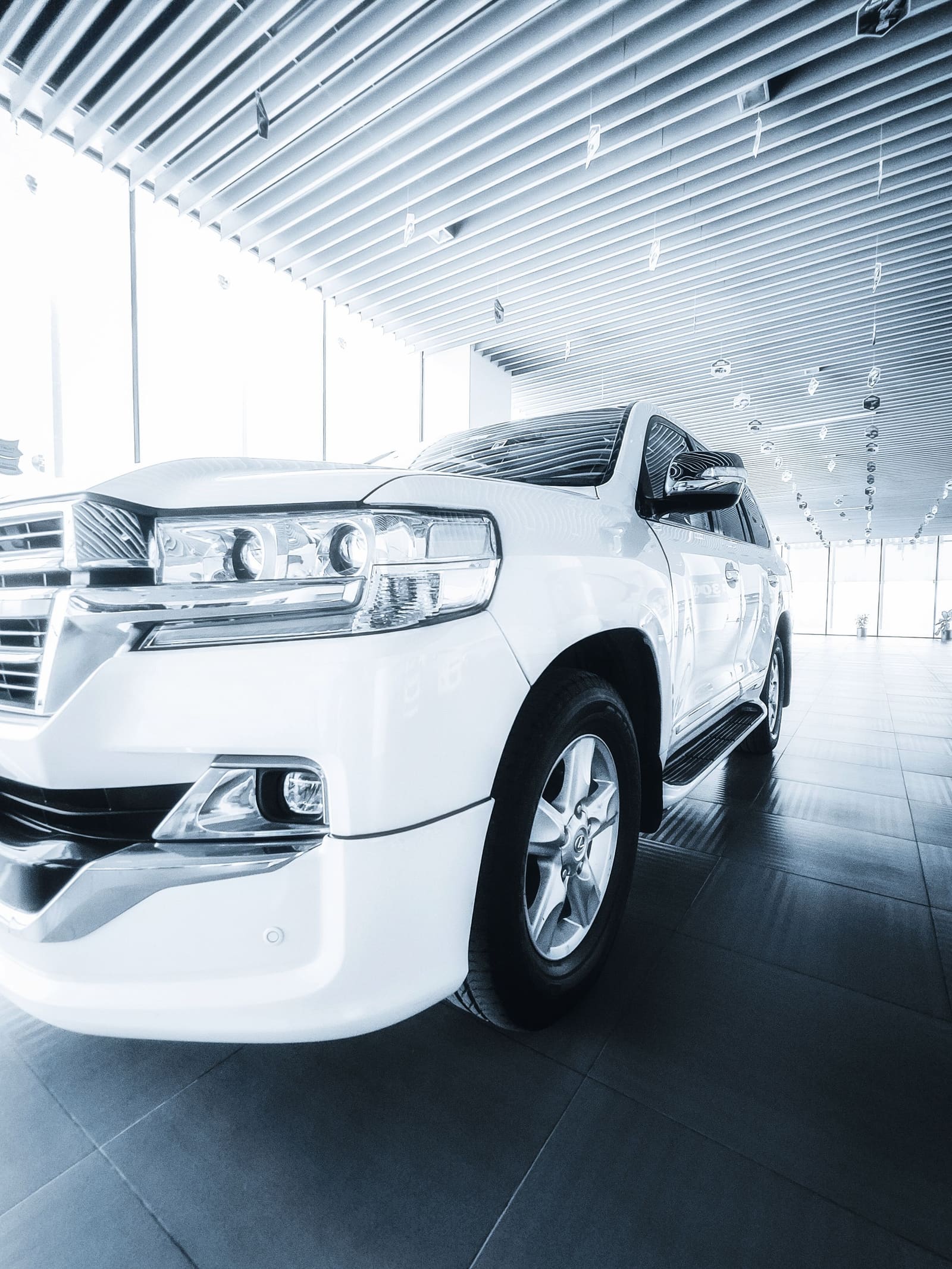
A studio wall, a street, a coast road. Pick one from the library and the subject is composited in at full resolution.

3

Your own image

Your showroom, your brand colour, your set. Upload a backdrop once and reuse it across every photograph you process.

Backdrop photographs by Piyapong Simakhannok, Artem Makarov and Vlada Karpovich on Pexels — see Credits.

Why this one is different

The picture never leaves your machine

Every other tool in this category asks you to upload first and hope second. This one loads the model into your browser and runs it there.

No upload for the preview

The photograph is decoded, matted and composited on your device. Open the network tab and watch it stay quiet — that is the whole proof, and it is one you can run yourself.

No queue, no rate limit

There is no server to be busy. The first image pays the model download; every one after that starts the moment you drop it in, however many you have.

Nothing retained

We cannot keep what we never received. No training set built from your product shots, no bucket of client portraits, no retention policy to take on trust.

The honest caveat. Paid exports do involve our servers: that is where the credit is checked and the full-resolution file is produced. What we are promising is narrower and more useful than "we are private" — the free preview genuinely never leaves your device, and you can verify that claim in about ten seconds.

Pricing

Previews are free. Exports use a credit.

One credit is one full-resolution export. Prices below are what you are charged — no VAT is added at checkout. All credits expire 90 days from the day they are granted.

Pay as you go

3credits

£2.66one-off

£0.887 per credit

Starter

40credits

£6.99/ month

£0.175 per credit

Most chosen

Regular

200credits

£27.99/ month

£0.140 per credit

See all 7 plansUp to 50,000 credits a month at £3399.

Questions people actually ask

Is the free preview really free?

Yes, and there is no cap on it. The model runs inside your browser tab, on your own machine, so a preview costs us nothing to produce and we do not meter it. Credits are only spent when you export a full-resolution file.

Do my images get uploaded to your servers?

Not for the free preview. The photograph is decoded, matted and composited entirely on your device — you can watch the network tab stay silent. Nothing is stored, and there is nothing for us to leak, because we never receive it.

What does one credit buy?

One credit is one full-resolution export: the original pixel dimensions, no watermark, no downscaling. Previews, retries and edits to the same image do not cost extra credits.

How long do credits last?

Every credit expires 90 days after it is granted, whether it came from a pay-as-you-go purchase or a monthly subscription. We say so plainly rather than burying it: a subscription grants a fresh batch each month and each batch runs its own 90-day clock.

Is VAT added on top of these prices?

No. The prices shown are the amount charged. No VAT is added at checkout.

What file formats come out?

PNG and WebP with a real alpha channel for transparency, or JPEG when you have composited onto a solid colour or a new background. Transparency is genuine per-pixel alpha, not a white rectangle pretending to be transparent.

Will it cope with hair, glass and thin metal?

Those are the cases worth testing, so test them. The matting step keeps partial opacity rather than making a hard binary decision per pixel, which is why a radio aerial, a wheel spoke or a strand of hair survives instead of turning into a jagged staircase.